
NEWS CENTER
A force plate is a high-precision biomechanical measurement device used to capture mechanical data on the interaction between the human body and the ground during movement or at rest. With it, dynamic parameters such as the ground reaction force (GRF), center of pressure (COP), and moments in various postures and movements can be measured. Force plate data are widely used in clinical fields, especially in sports medicine, neurological rehabilitation, and orthopedic rehabilitation, and play a major role in diagnosis, treatment, and the formulation of rehabilitation plans.
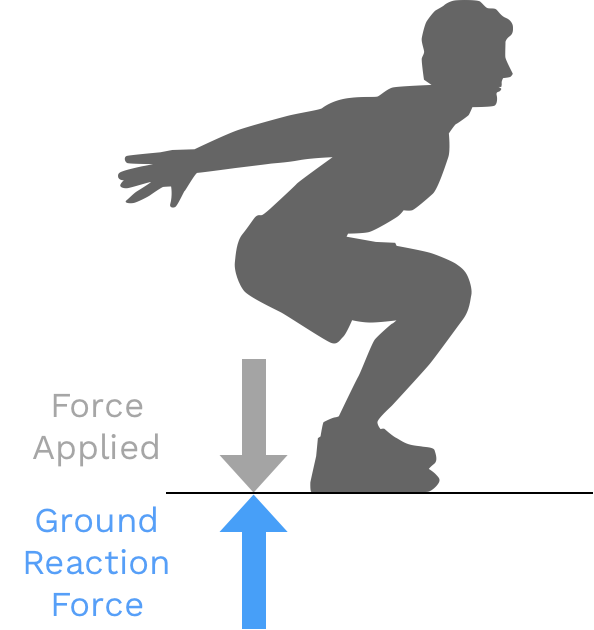
Ground Reaction Force
Ground reaction force is the reaction force generated when the human body contacts the ground, reflecting the forces acting on the body during movement. Force plates can capture ground reaction forces in three dimensions (vertical, anterior-posterior, and medio-lateral), and these data have important reference value for clinical diagnosis and rehabilitation planning.
Gait Analysis: By recording the ground reaction force of each step during walking with a force plate, abnormalities such as gait asymmetry, uneven stride length, and changes in heel contact force can be identified. Gait abnormalities are often manifestations of neurological diseases (such as Parkinson's disease and stroke) or musculoskeletal problems (such as hip replacement and knee pain). Gait analysis can help clinicians detect these problems earlier and provide guidance for formulating rehabilitation plans.
Movement Pattern Recognition: Athletes in different sports exhibit specific mechanical patterns during movement, and force plate data can identify these patterns. For example, high jumpers require greater vertical force, while soccer players may require stronger control of anterior-posterior force. By analyzing these mechanical patterns, personalized training recommendations can be provided for athletes to prevent injuries.
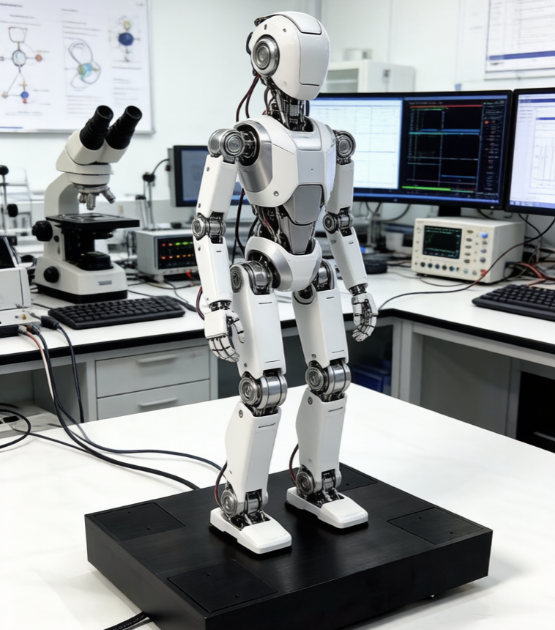
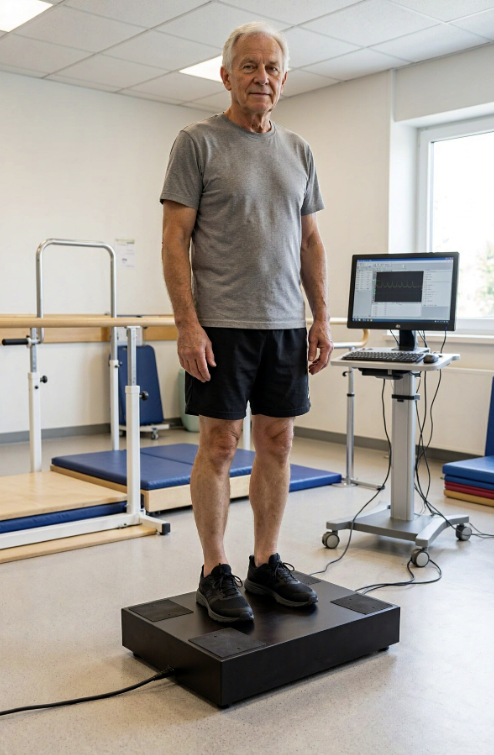
Postural Control Assessment: Force plates can detect the ground reaction force in standing or other static postures, reflecting body stability. Sudden changes in ground reaction force may indicate a loss of balance, which plays an important role in assessing postural control in elderly patients or patients with neurological diseases.
Center of Pressure Trajectory
The COP is the projection onto a plane of the concentration point of body weight when the body contacts the ground. Force plates can be used to plot the COP trajectory, which reflects the postural control ability of the human body in balanced or unbalanced states. Patients with large fluctuations in COP trajectory may have balance function problems, such as vestibular system abnormalities, muscle weakness, or nerve damage.
Balance Function Assessment: The COP trajectory can accurately reflect a patient's postural control ability. For example, in a double-leg standing test, the COP trajectory of a normal person should be relatively stable, whereas in patients with balance problems, the COP trajectory often shows large fluctuations. Such data can be used for balance function assessment in patients with neurological diseases (such as stroke and Parkinson's disease).
Fall Risk Prediction: For elderly individuals, the range and velocity of COP trajectory fluctuations can be used to predict fall risk. By analyzing their COP changes during standing or walking, their ability to maintain balance in daily life can be assessed, thereby helping doctors design targeted preventive interventions, such as balance training or the use of walking aids.
Load Distribution and Symmetry Analysis
Force plates can measure the load distribution between the two feet, which is very helpful in assessing lower limb symmetry and functional recovery. For example, during rehabilitation after a fracture or joint replacement, patients often unconsciously reduce the weight borne by one limb. Force plates can precisely assess whether the forces borne by the two feet are symmetrical, in order to determine rehabilitation progress.
Rehabilitation Progress Monitoring: After knee or hip replacement surgery, the symmetry of load distribution is a key indicator of rehabilitation progress. Force plates can monitor the force borne by the patient's feet in real time, helping doctors adjust rehabilitation training plans. For example, if a patient is still unable to apply sufficient weight to the operated leg several weeks after surgery, this indicates slow rehabilitation progress and the need to increase strength training.
Jump Ability and Explosive Power Testing
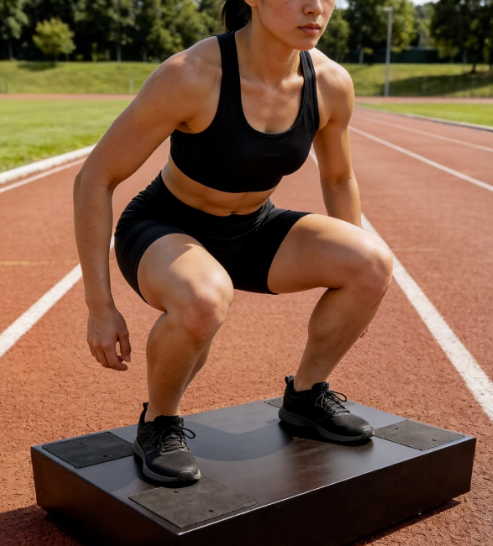
In the assessment of athletes, jump tests are commonly used to evaluate lower limb strength and explosive power. Force plates can precisely capture mechanical data during takeoff, flight, and landing, helping to analyze an athlete's jumping ability.
Jump Height and Force Assessment: By measuring the ground reaction force at takeoff and the flight time, force plates can calculate lower limb strength. These data can help coaches assess an athlete's physical condition, especially recovery after high-intensity training.
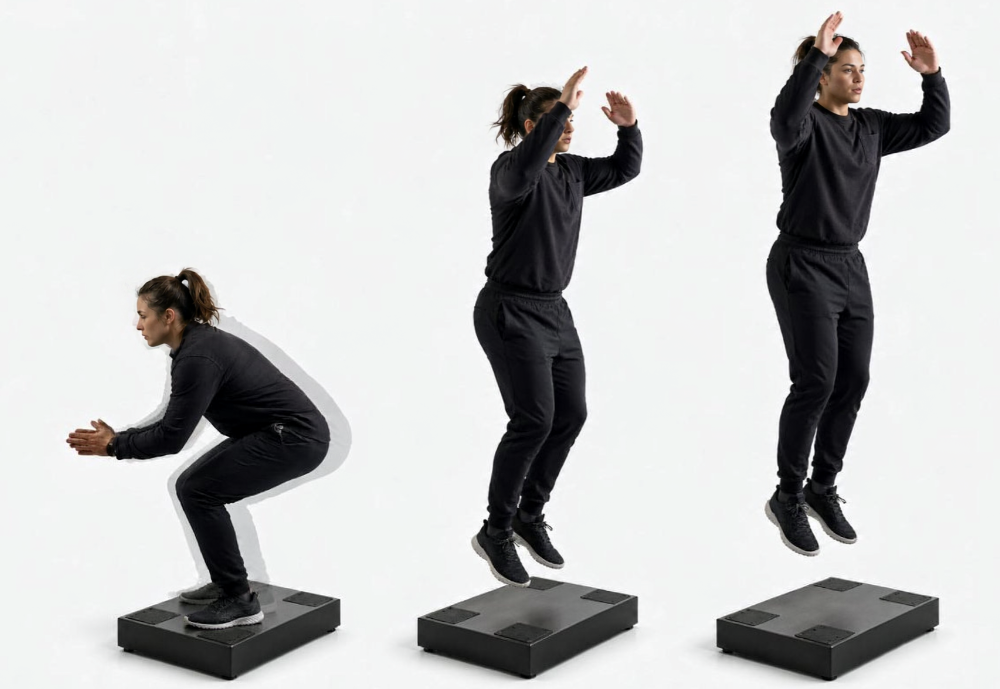
Explosive Power and Reaction Time: Force plates can also measure an athlete's reaction time from rest to takeoff, helping to analyze their reaction ability and explosive power. Athletes with short reaction times typically have better explosive power and motor control, making them suitable for sports requiring rapid starts, such as sprinting and basketball.
Fatigue and Strength Decline Monitoring
Through repeated jump or gait tests, force plates can capture signs of fatigue in patients or athletes. As the number of tests increases, changes in ground reaction force can reflect the degree of muscle fatigue, helping to assess an athlete's endurance and training intensity.
Strength Decline Assessment: In a series of jump or squat tests, force plates can monitor the rate of strength decline. If strength drops rapidly within a short period, this indicates that the patient or athlete has insufficient muscular endurance and needs to strengthen endurance training.
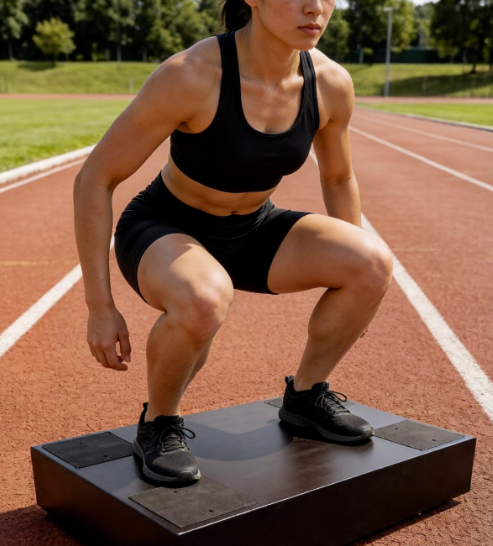
Muscle Fatigue Monitoring: Fatigue leads to a decline in athletic performance, and force plate data can help identify when muscles begin to fatigue and how this fatigue affects performance. For example, during repeated jumps, the ground reaction force gradually decreases, reflecting the state of muscle fatigue. These data can be used to adjust training volume and prevent muscle damage caused by overtraining.
Functional Movement Testing
Force plates can be used for functional movement tests, such as single-leg standing, jumping, and squatting, to help assess a patient's motor function. This is very helpful for postoperative rehabilitation, patients with muscle function impairment, and the assessment of athletes' sports performance.
Single-Leg Standing Balance Test: By measuring the ground reaction force and COP trajectory during single-leg standing, it is possible to determine whether lower limb muscle strength and balance function are normal. For patients with lower limb muscle weakness, ligament injury, or postoperative rehabilitation, the single-leg balance test can provide intuitive feedback.
Squat Strength Test: During squatting, force plates can analyze changes in ground reaction force, revealing the strength output of the lower limb muscles during the movement. In particular, for the assessment of knee joint dysfunction, the squat test provides important indicators of strength and control.
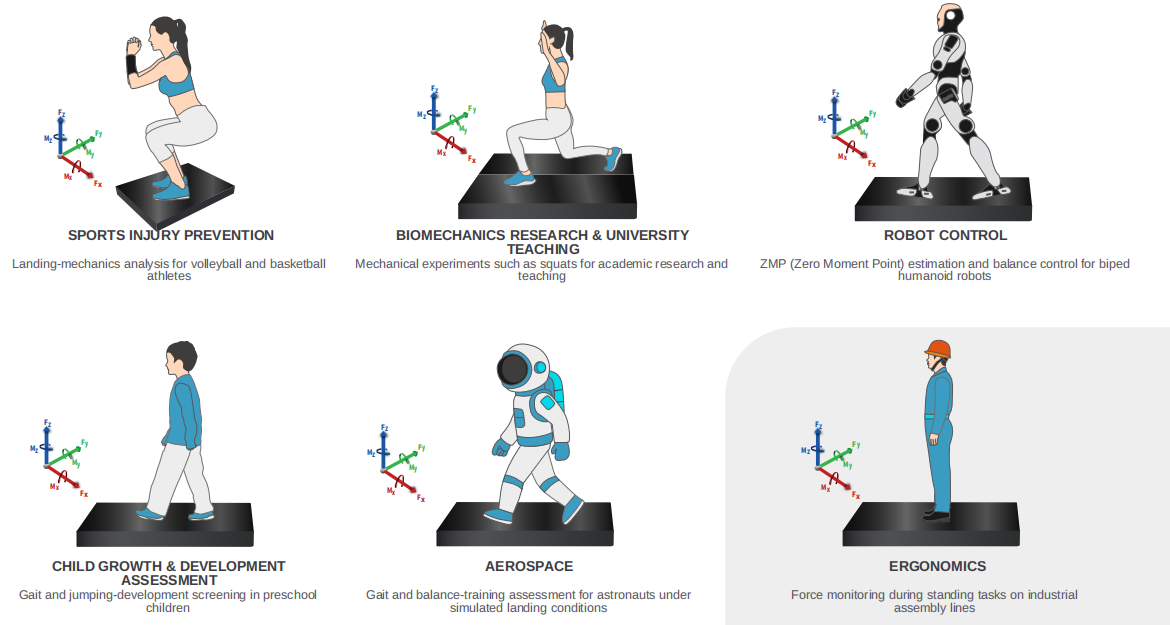
Summary of Clinical Applications
Sports Injury Rehabilitation: Force plates can help doctors monitor the functional recovery of athletes or patients during rehabilitation, especially the recovery of lower limb strength and balance ability. Through the comparison of continuous data, doctors can adjust rehabilitation training plans to ensure that patients gradually recover normal motor function.
Neurological Disease Assessment: For patients with Parkinson's disease, stroke, and others, the gait, postural control, and balance function data provided by force plates can help doctors assess patients' neurological dysfunction and formulate personalized rehabilitation plans.
Joint Function Assessment: For patients after joint replacement surgery, force plates can monitor in real time the symmetry of bilateral leg loading and changes in joint forces and moments, helping to determine whether rehabilitation progress is smooth or whether the rehabilitation plan needs to be adjusted. The detailed mechanical data provided by force plates offer clinicians an objective, quantitative assessment tool to help them make more accurate diagnoses and rehabilitation decisions. Through these data, doctors can better understand patients' motor function status and thus formulate more effective rehabilitation plans.
Pressure Films Three-Dimensional Force Plate
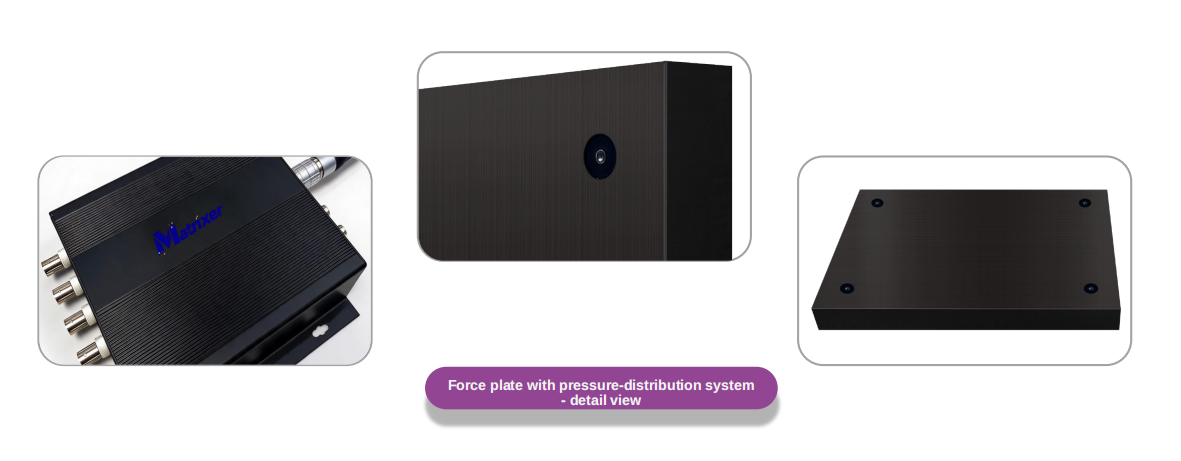
The Pressure Films three-dimensional force plate pressure distribution sensing system is a high-precision mechanical measurement device capable of synchronously detecting three force components (Fx, Fy, Fz) and three moment components (Mx, My, Mz) in three-dimensional space, enabling real-time acquisition and analysis of full-dimensional mechanical data.
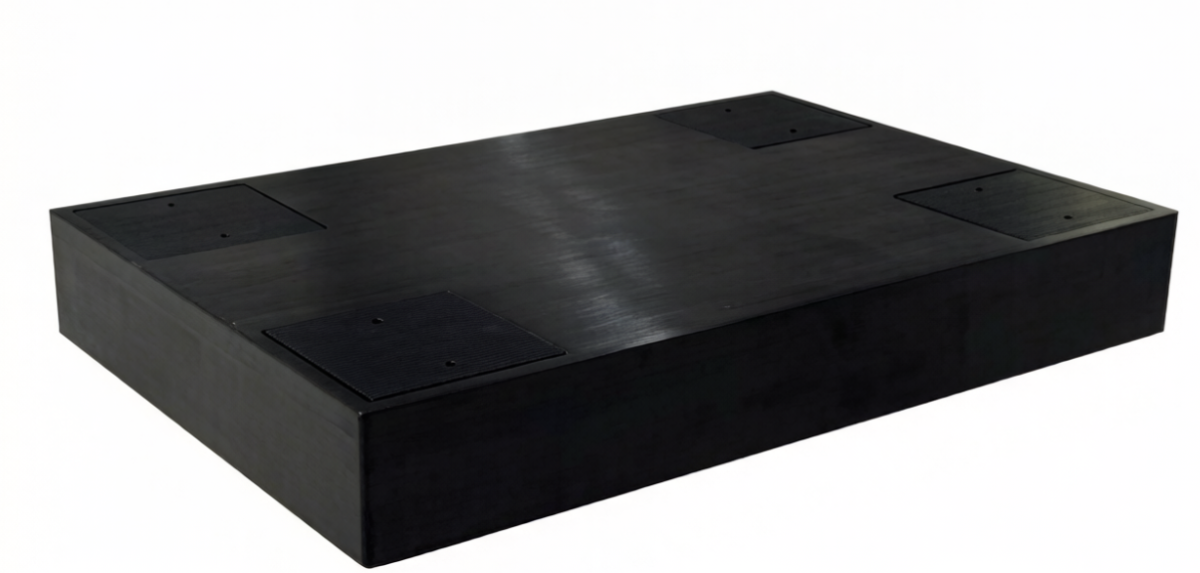
The system adopts high-sensitivity sensors and advanced digital signal processing technology, combined with a dedicated software platform, and can be widely used in robot control, aerospace, biomechanics, industrial testing, and other fields, providing precise force/torque data visualization, dynamic characteristic analysis, and process monitoring functions, offering efficient and reliable digital solutions for scientific research and engineering applications.
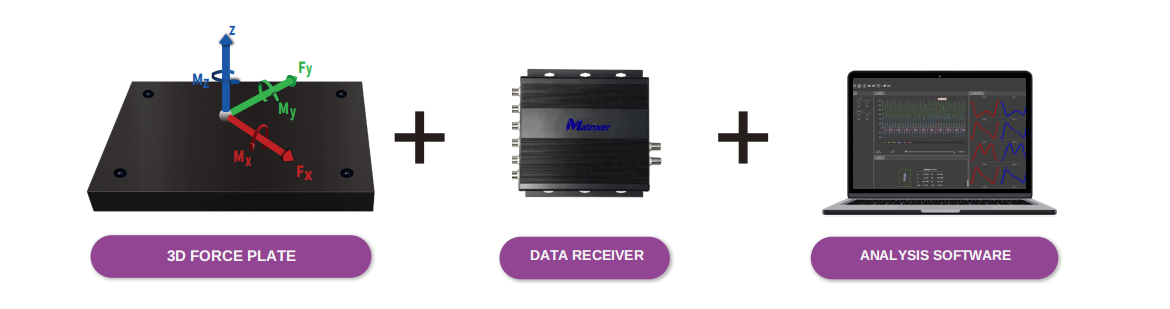
The Pressure Films three-dimensional force plate pressure distribution sensing system consists of a three-dimensional force plate pressure distribution sensor, a data receiver, and acquisition and analysis software.
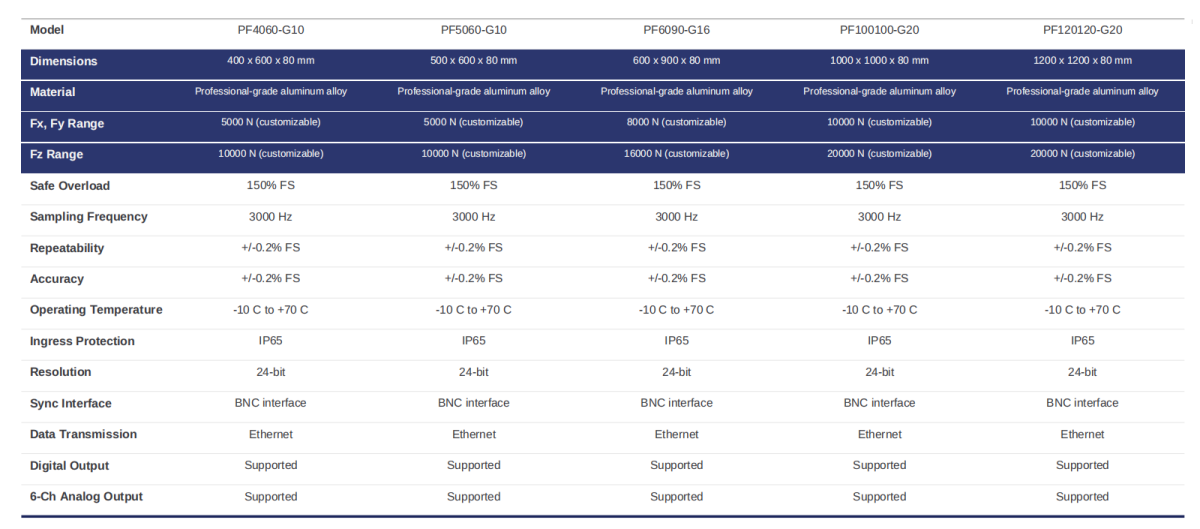
High Dynamic Response Performance The force measurement platform is equipped with high-performance mechanical sensors with a natural frequency of up to 1 kHz, combined with a unified 3000 Hz sampling frequency across the entire series, enabling accurate capture of rapidly changing dynamic forces and transient impact signals, making it suitable for high-dynamic application scenarios such as motion analysis, gait research, and impact testing.
Flexible System Integration Capability External amplifier with analog signal output interface. It also provides multiple data interfaces including Ethernet data transmission + BNC synchronization interface + 6-channel analog signal output, facilitating synchronous integration with third-party devices such as high-speed cameras, EMG devices, and motion capture systems, supporting multimodal data acquisition and real-time analysis, and suitable for building complex testing systems.
Excellent Measurement Accuracy and Stability The entire product series has a unified comprehensive accuracy of ±0.2%FS (covering nonlinearity, hysteresis, and repeatability), and supports flexible customization of Fx, Fy, and Fz ranges. Combined with 24-bit high resolution and IP65 protection rating, it ensures highly reliable and highly repeatable precise measurement even in complex environments.
Visualized Data Control Supports "zero all" and "zero specified force plate Fx/Fy/Fz single channel" operations. During acquisition, auxiliary data such as treadmill speed, incline, lift status, and acceleration can be displayed in real time, helping test personnel monitor device status and testing progress.
Signal Filtering Processing The software has a built-in digital signal processing module, providing moving average window filtering and second-order Butterworth low-pass filtering options. Combined with a customizable COP threshold, interference signals under low-force conditions can be filtered on the software side, outputting smooth, reliable curves with a high signal-to-noise ratio.
Multi-Mode Analysis Function Built-in three analysis modes: gait, running (sports), and weightlifting. The system can automatically normalize mechanical parameters based on the subject's body weight. In gait mode, by customizing the "force threshold (N)" to determine heel-strike/toe-off events to divide gait cycles, it calculates and outputs core indicators such as cadence (spm), step width (cm), step length (cm), and gait speed (km/h), while supporting automatic left/right foot identification and separate side statistics, reducing manual conversion errors.
Multi-Channel Data Playback Provides playback speeds from 0.25x to 100x and frame-level jumping. Full-channel waveforms of Fx/Fy/Fz and Mx/My/Mz are linked on the same screen with the center of pressure (COP) trajectory, making it easy for users to quickly locate valid data intervals, suitable for transient force observation and long-duration test browsing.
Flexible Data Export Supports configurable CSV export. Users can customize the start frame, end frame, and sampling interval of "export one row every N frames," and headers such as the number of devices, sampling frequency, and subject information are automatically appended. Supports automatic naming by time, and the exported files can be opened directly with Excel, improving the efficiency of subsequent data processing.
Customization Services Available Sensor customization: customize pressure sensors of different sizes and sensitivities for different application scenarios. Algorithms and data services: basic data services can be provided, and any algorithm service can be customized. Software services: provide basic data acquisition interfaces, open SDK and API. Hardware design: in conjunction with the corresponding sensor design, matching hardware design solutions can be provided.
Recent Post
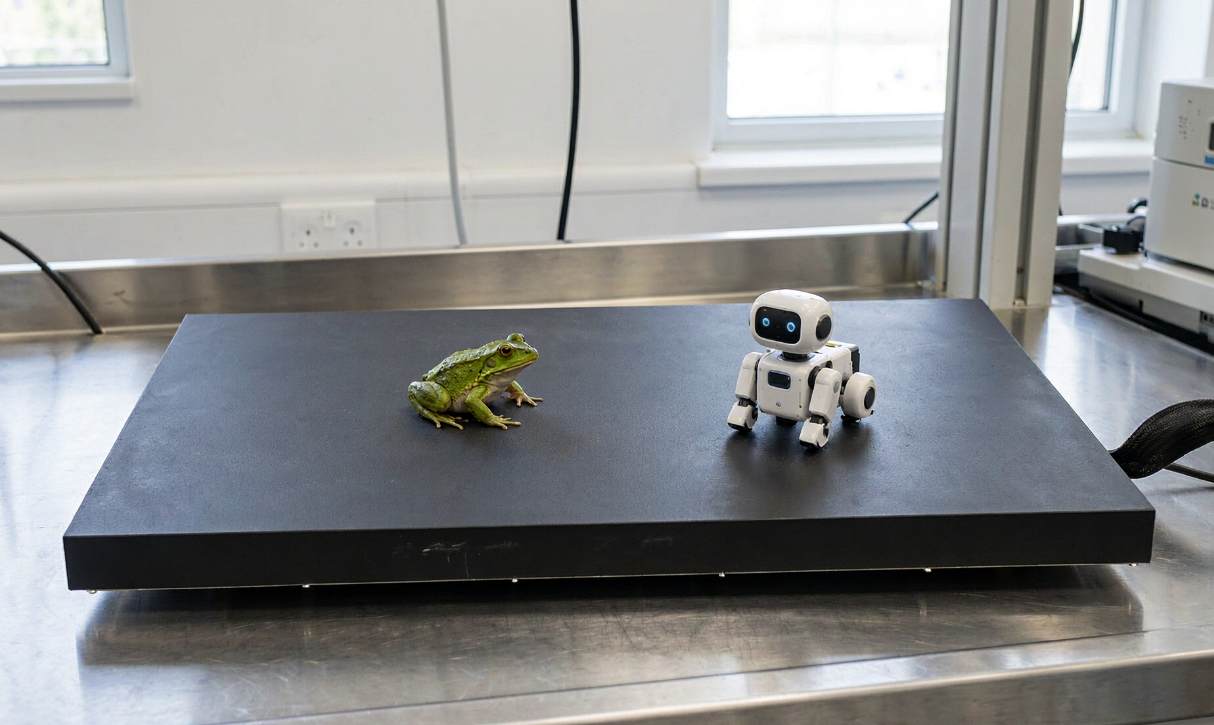
 Nov 06, 2026Application landscape of PRESSURE FILMS high-precision low-range 3D force plates: from frog jumping to micro-robot ground contact
 Oct 29, 2026Mechanical Measurement Principles and Clinical Applications of Three-Dimensional Force Plates
![]() Sep 30, 2026PF invites you to attend ICMMB 2026, the 24th International Conference on Medical and Biological Mechanics (Oct. 6–8).
 Jun 18, 2026Focus on Plantar Pressure Distribution | Technical Applications of the Pressurefilms Insole‑Type Flexible Fabric Pressure Distribution System

Contact Us
Derect Contact with us