
NEWS CENTER
In modern biomechanical research and industrial manufacturing, the precise quantification of contact pressure has long been a technical challenge. Whether it is the dynamic interaction between the human plantar surface and the ground, or the uniformity of contact between precision mechanical components, the "invisible" nature of pressure distribution has consistently constrained the refinement and advancement of related fields. The Pressurefilms insole‑type flexible fabric pressure distribution system, with its high‑density sensing elements, flexible fabric substrate, and multi‑mode data acquisition capabilities, offers a high‑precision technical pathway to address these issues.
Unlike traditional rigid force plates or low‑resolution pressure mats, the core advantage of the Pressurefilms insole‑type flexible fabric pressure distribution system lies in its combination of "flexibility" and "high resolution." The system's sensors are based on resistive strain‑sensing principles, with a flexible fabric substrate that is only 2 mm thick and offers 110% extensibility. This enables the system to conform perfectly to the complex three‑dimensional curvature of the human foot, allowing for accurate measurements without interfering with natural gait.
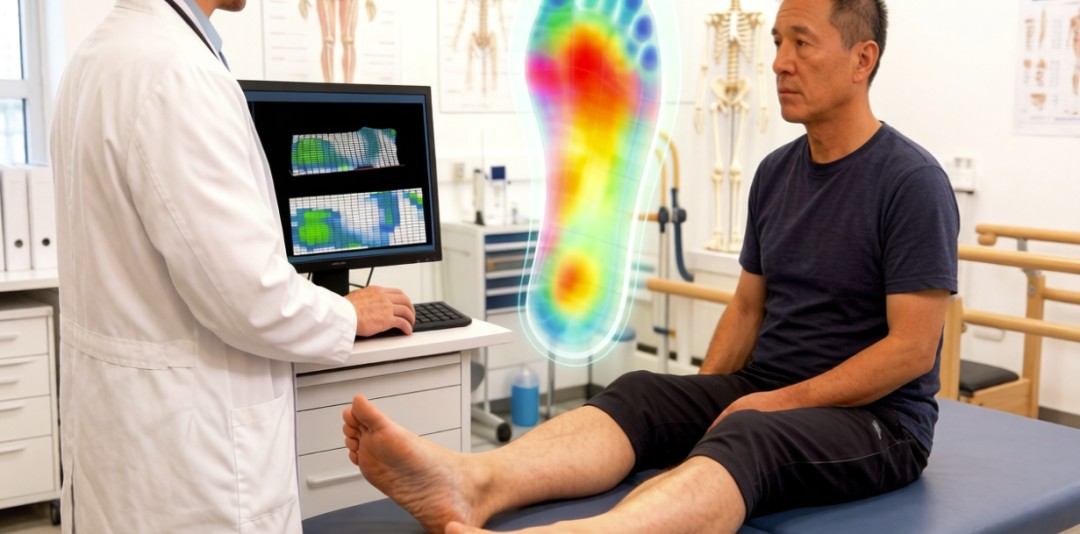
Image from AI
In terms of critical sensing performance, taking a EU size 42 insole as an example, its sensing area measures approximately 100 mm × 280 mm, yet it integrates about 484 sensing units—up to 450 sensing points per single insole—capable of capturing extremely subtle plantar pressure gradients, such as local high‑pressure points in the metatarsal head region or shifts in heel loading. Furthermore, the Pressurefilms system covers a pressure range of 0–500 kPa with customisation options, achieves a system accuracy of ±10% FS, and has a service life exceeding 100,000 cycles, making it robust enough to meet stringent testing demands ranging from short‑term clinical trials to long‑term product development.
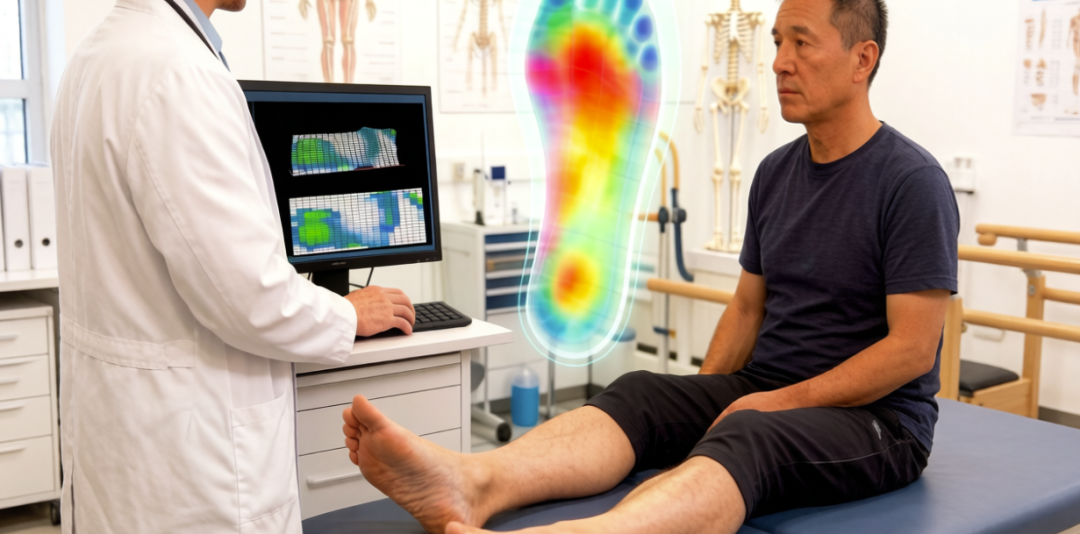
In clinical rehabilitation, plantar pressure distribution serves as a core quantitative metric for assessing lower‑limb function, foot deformities, and neuromuscular disorders. With a maximum adjustable sampling frequency of up to 200 Hz, the Pressurefilms insole‑type flexible fabric pressure distribution system can precisely capture transient pressure changes during the stance phase, swing phase, and the specific sub‑phases of heel strike, mid‑stance, and push‑off within the gait cycle. Using the centre‑of‑pressure trajectory calculation function in the system software, clinicians can quantitatively analyse abnormal high‑pressure areas in diabetic foot patients, thereby guiding the precise pressure‑relief design of orthotic insoles. Research has shown that abnormal plantar pressure distribution is closely associated with the occurrence of foot ulcers. Through the 2D and 3D pressure distribution rendering provided by the Pressurefilms system, physicians can visually identify deep‑tissue pressure loads beneath callosities and develop more targeted intervention strategies.
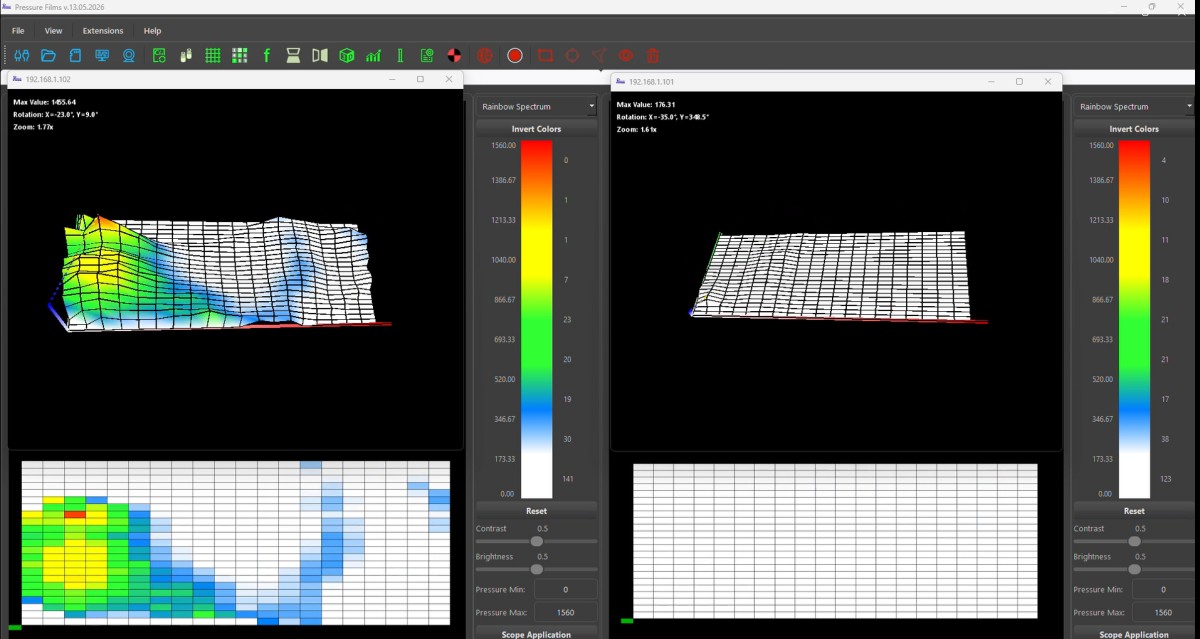
At the same time, the Pressurefilms system supports the simultaneous definition of up to 24 independent analysis regions within the sensing area, and automatically calculates for each region the average pressure, maximum pressure, minimum pressure, contact area, total force, longitudinal and lateral asymmetry coefficients, pressure distribution uniformity, as well as maximum and average pressure gradients—greatly streamlining the statistical analysis workflow for researchers.
In the field of sports science, the Pressurefilms insole‑type flexible fabric pressure distribution system serves not only as a tool for analysing athletes' technical movements (such as running foot‑strike patterns) but also as a validation platform for functional footwear development. By integrating the Pressurefilms insole system into footwear, researchers can compare the effects of different midsole materials, carbon‑plate configurations, or insole thicknesses on plantar pressure distribution and peak pressure values.
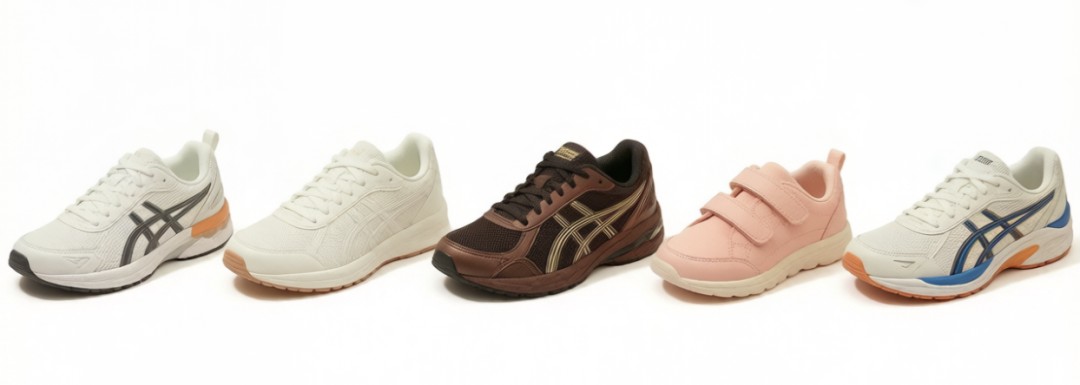
Image from AI
Moreover, the Pressurefilms system offers powerful external synchronisation capabilities. Its data receiver is equipped with two synchronisation‑trigger BNC interfaces, supporting hardware‑level synchronous acquisition with 3D motion‑capture systems, wireless electromyography (EMG) systems, and force plates. Such multi‑modal data synchronisation is crucial for understanding the coupling relationships among ground‑reaction forces, muscle‑activation patterns, and plantar pressure distribution. For example, when analysing ankle‑sprain mechanisms, researchers can precisely align pressure‑distribution changes with peroneal muscle EMG signals, thereby revealing the immediate regulatory effects of neuromuscular control on plantar loading.
The Pressurefilms insole‑type flexible fabric pressure distribution system demonstrates exceptional flexibility in data acquisition and processing. At the hardware level, it supports three operating modes: wired, wireless Wi‑Fi, and offline storage, with built‑in 128 GB of storage, enabling long‑duration data recording even in outdoor or medical‑radiation environments. Notably, the system features an open "user self‑calibration" function. Since resistive sensors may experience signal drift under varying temperature and humidity conditions or after prolonged use, this function allows users to perform on‑site linear regression calibration of the sensors, ensuring data accuracy even in non‑laboratory settings.
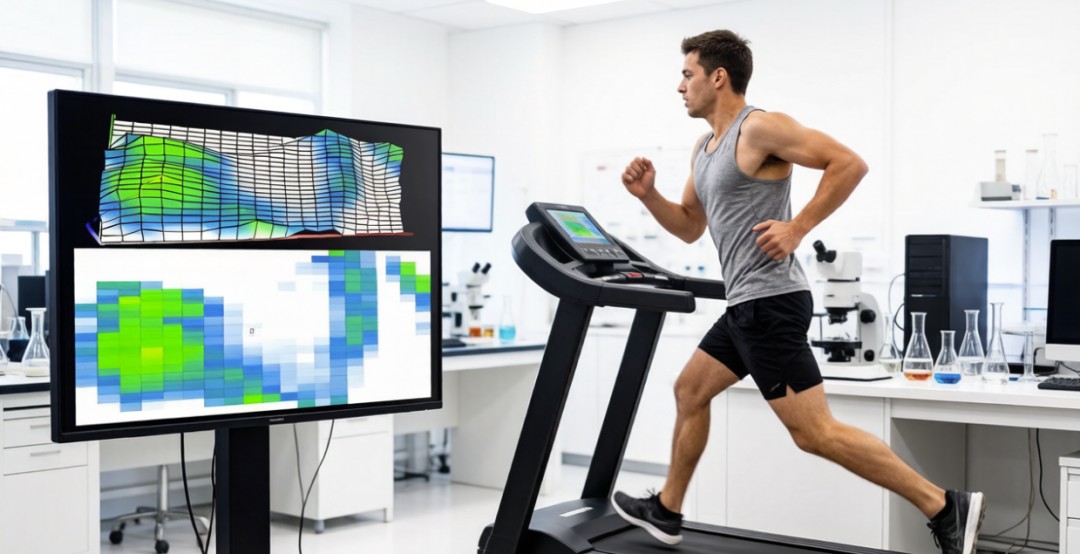
Image from AI
The Pressurefilms system also supports recording and storing entire measurement sessions, with data exportable in .dat file format. Imported sessions can fully reproduce the original test process, and the system supports synchronous playback and analysis across up to 10 data windows. In addition, the system features synchronised video acquisition capability via an external USB webcam, enabling the integrated recording of both mechanical data and visual imagery.
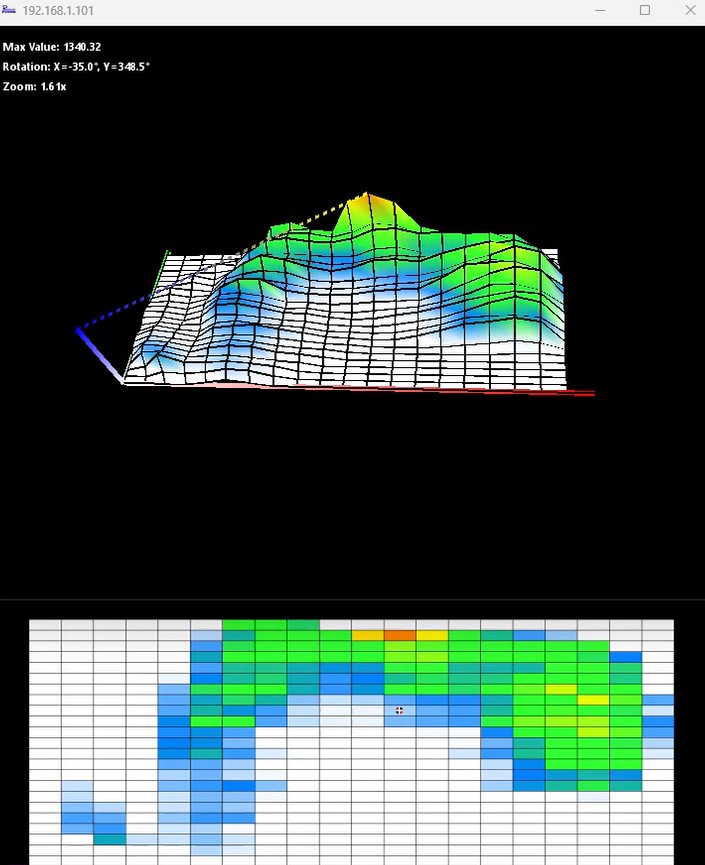
The Pressurefilms insole‑type flexible fabric pressure distribution system is more than just a pressure‑measurement tool—it is a complete tactile mechanical‑information acquisition and analysis platform. Through its high‑density flexible fabric sensing technology, it transforms abstract mechanical distributions into visual imagery and quantifiable numerical values. Whether optimising patients' walking function in rehabilitation clinics, exploring the limits of human performance at the forefront of sports science, or improving human‑machine interaction experiences in industrial manufacturing, the device provides reliable, high‑precision data support, serving as a core bridge connecting physical mechanics with digital analysis.
Recent Post
 Jun 18, 2026Focus on Plantar Pressure Distribution | Technical Applications of the Pressurefilms Insole‑Type Flexible Fabric Pressure Distribution System
") May 21, 2026Invitation丨PRESSURE FILMS INTERNATIONAL LIMITED Invites You to the 2nd Vietnam International Electronics Industry & Smart Manufacturing Expo 2026 (VIEE2026)
May 21, 2026Invitation丨PRESSURE FILMS INTERNATIONAL LIMITED Invites You to the 2nd Vietnam International Electronics Industry & Smart Manufacturing Expo 2026 (VIEE2026) May 21, 2026From Vector Sensing to Multi-Dimensional Decision-Making | A Full-Field Application Analysis of PressureFilms High-Precision 3D Force Plates
 May 09, 2026From Morphology to Mechanics: How PF Pressure-Sensitive Paper Reconstructs Dental Occlusal Analysis
Contact Us
Derect Contact with us