
NEWS CENTER
In dentistry, the assessment of how well the upper and lower teeth “fit together” has long involved two parallel dimensions: morphology and mechanics. The former, represented by dental impressions, focuses on “what the teeth look like”; the latter, centered on occlusal analysis, focuses on “how the teeth bite together.”
These two dimensions should ideally complement each other. However, in clinical practice, the morphological dimension has become highly advanced—from alginate to silicone, from physical impressions to intraoral scanning, we can replicate the three-dimensional structure of teeth with near perfection. In contrast, the mechanical dimension has long been limited to the binary judgment of traditional articulating paper: contact or no contact. But how much force does the contact involve? Is the bite force distribution uniform? Where do abnormal stresses concentrate? Such critical information often relies on the clinician’s experience to infer, lacking objective, recordable, and quantifiable tools. The advent of PressureFilms pressure-sensitive paper (PF paper for short) is changing this situation.
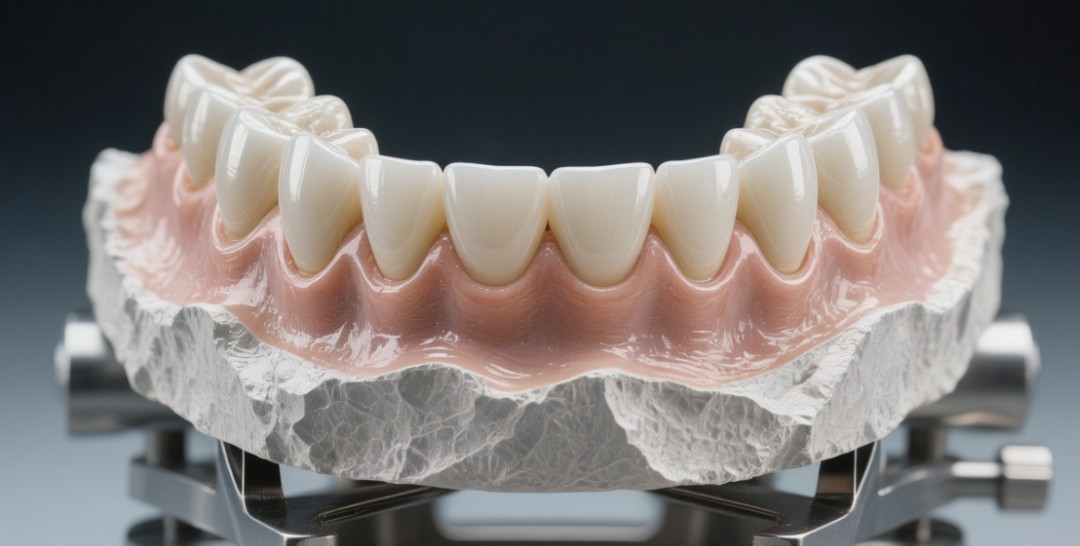
To understand the value of PF pressure-sensitive paper, one must first grasp its fundamental difference from dental impressions. Dental impressions (using materials such as silicone and alginate, or intraoral scanning techniques) record the static three-dimensional morphology of the teeth—cusp height, fossa depth, ridge orientation, contact point positions, and arch curvature and symmetry. The stone or digital models obtained from impressions allow clinicians to precisely examine the geometric structure of the teeth outside the mouth, facilitating the fabrication of restorations, orthodontic models, or surgical guides. The core question they answer is “what the teeth look like,” with advantages of high accuracy, reproducibility, and long-term storage. However, their limitation is equally clear: impressions provide no information about “force.” A crown that appears perfect in morphology, marginal fit, and proximal contact on a model may, once placed in the mouth, develop occlusal high spots or interferences due to minor tooth movements, morphological discrepancies of the opposing teeth, or individual kinematic patterns of the temporomandibular joint. This is the inherent boundary of morphological replication techniques—they replicate form but do not simulate function.
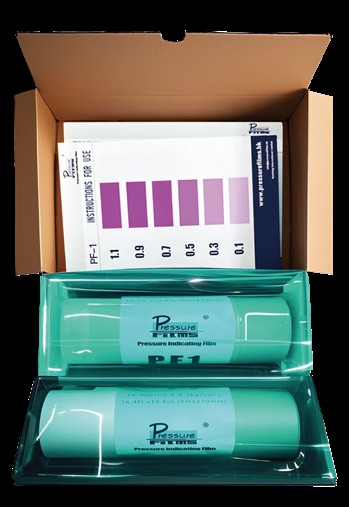
PF pressure-sensitive paper focuses precisely on the domain that impressions cannot reach. It is a sensing material with a thickness of only 0.2 mm and good flexibility, consisting of a color-forming layer and a color-developing layer. In use, the coated sides of the two sheets are placed together and interposed between the upper and lower teeth. When pressure is applied, the microcapsules containing the color-forming substance in the color-forming layer rupture, releasing the color-forming substance, which then chemically reacts with the developer in the color-developing layer, producing a red mark. The key lies in this: the degree of microcapsule rupture is proportional to the magnitude of the applied pressure. The greater the pressure, the more microcapsules rupture, the higher the color density, and the darker the red; the lower the pressure, the lighter the color.
By comparing the color density with a standard pressure–density curve, the shade of red can be quantified into specific pressure values. After removing the PF pressure-sensitive paper, clinicians can directly observe the pressure distribution across the entire dental arch or at specific tooth positions. Alternatively, using the TOPAQ pressure-sensitive paper data analysis system, the pressured area of the paper can be scanned, variables entered, and the system generates a full-color pressure map and statistical data. Compared to the binary “contact/no contact” information provided by traditional articulating paper, PF pressure-sensitive paper yields continuous variables. It no longer just answers “is there contact?” but rather “how much force is the contact exerting?” and “which areas experience heavy pressure, which areas light pressure, and whether the distribution is uniform.”
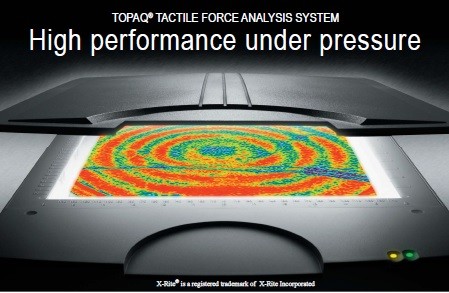
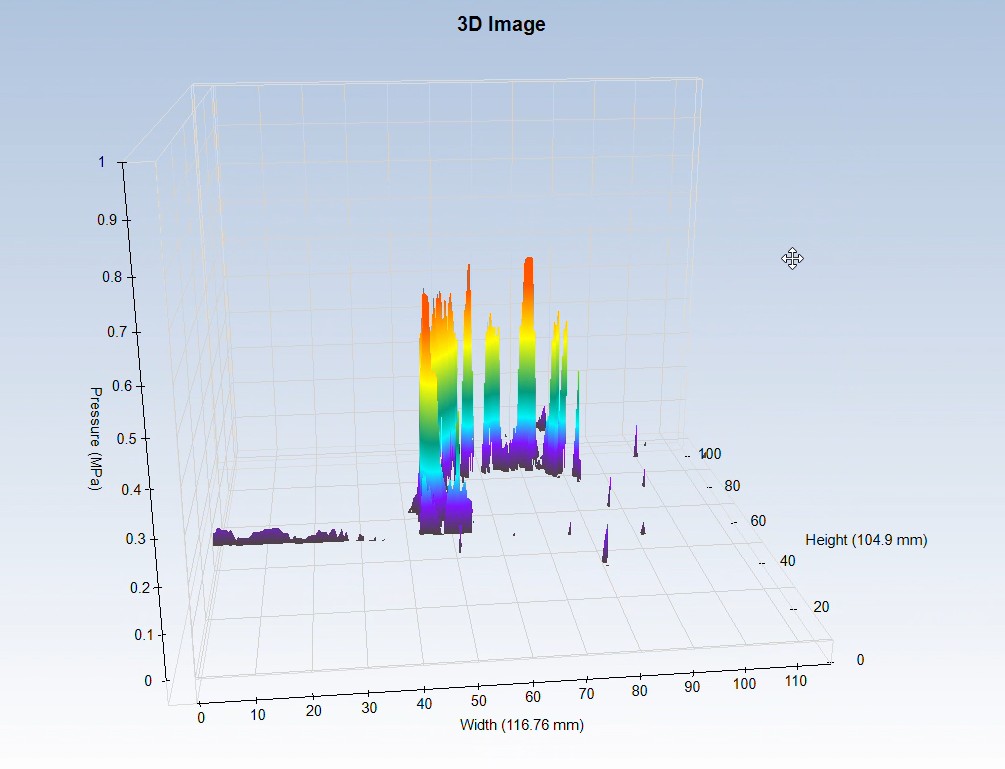
The TOPAQ pressure-sensitive paper data analysis system consists of a specially calibrated density scanner and Windows software. It features powerful user calibration capabilities to ensure measurement accuracy. The system allows users to view, rotate, and flip application images in both two-dimensional and three-dimensional spaces. Additionally, users can choose from four different color palettes to alter the displayed colors and the number of colors. With TOPAQ's powerful smoothing and thresholding functions, images can be further enhanced to reveal and analyze otherwise invisible details.
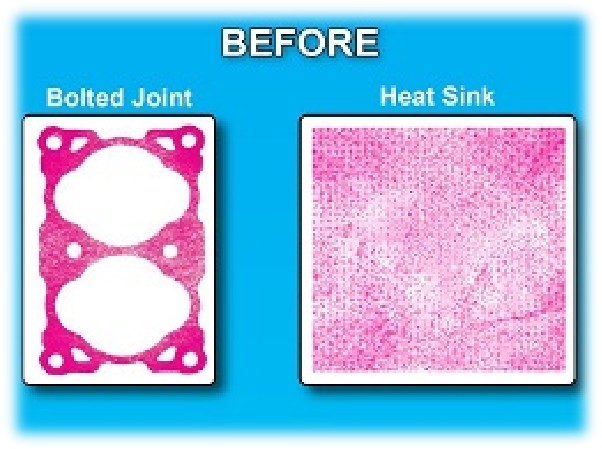
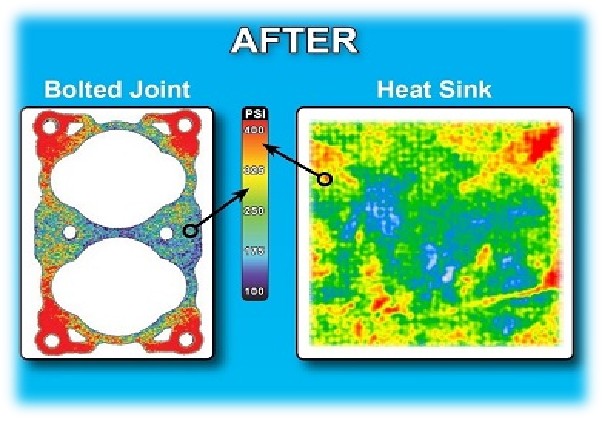
Additionally, the TOPAQ pressure-sensitive paper data analysis system features a region selection and magnification function for detailed analysis, allowing pixel-by-pixel examination of captured high-pressure areas. With the TOPAQ system, images can be expanded by 25% based on analytical needs, up to a maximum magnification of 400%. Using specialized algorithms, image magnification can be achieved without increasing granularity.
In clinical practice, dental impressions and PF pressure-sensitive paper are not competitive but complementary, and can be used in combination according to different objectives. Taking restoration fabrication as an example, a complete optimization workflow includes: preoperative impressions to obtain tooth morphology, with the optional use of PF pressure-sensitive paper to record the patient's natural bite pressure distribution as a design baseline; after the restoration is fabricated on the model and seated intraorally, static and dynamic occlusal tests are performed, with iterative adjustments until the pressure distribution is uniform and no abnormal high-stress concentration points remain; finally, the pressure-sensitive paper images are archived as objective evidence of completed occlusal adjustment. This workflow expands the acceptance criteria for restorations from the traditional "morphologically appropriate" to "mechanically appropriate," the latter being critical for the fracture resistance of all-ceramic crowns, the stress distribution of implant superstructures, and the long-term success rate of restorations.
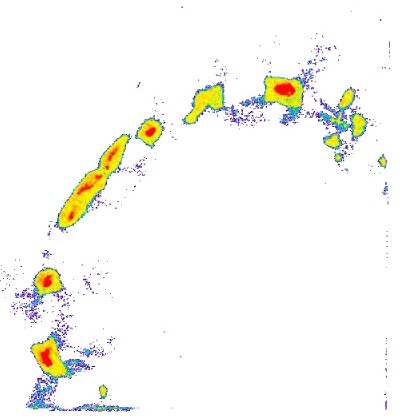
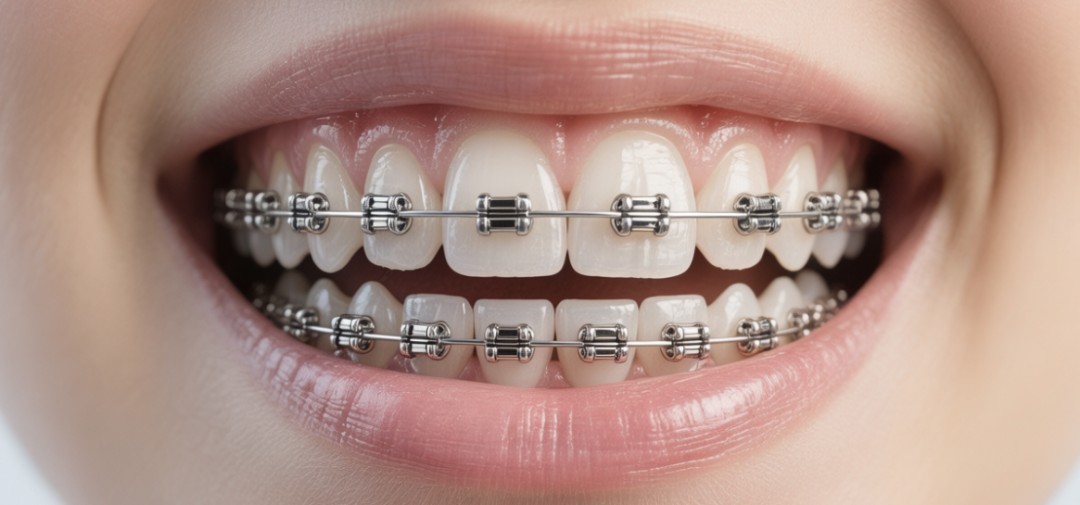
In orthodontic treatment, PF pressure-sensitive paper also offers unique value. The essence of orthodontics is tooth movement within the alveolar bone, and as tooth positions change, the occlusal relationship evolves dynamically. Traditional orthodontic evaluation focuses more on morphological indicators such as dental alignment, overjet, overbite, and midline coincidence. PF pressure-sensitive paper provides a simple, reproducible method for monitoring occlusal mechanics. Before treatment, the initial bite pressure distribution is recorded with pressure-sensitive paper as a mechanical baseline for treatment outcomes. At each follow-up visit, the current occlusal status can be quickly tested to promptly identify occlusal interferences that arise during treatment, thereby avoiding long-term abnormal loading that may lead to root resorption, bone fenestration, or temporomandibular joint issues. Before debonding, a final test is performed—an ideal orthodontic outcome is not only well-aligned teeth but also a balanced occlusal pressure distribution without significant premature contacts or interferences. Impressions or intraoral scans document changes in tooth position (morphological dimension), while PF pressure-sensitive paper records the corresponding changes in occlusal mechanics (functional dimension). Together, they fully address the core question: after teeth have moved to their new positions, has occlusal function improved accordingly?
Every bite—each change in pressure—is precisely captured by PF pressure-sensitive paper. These data not only serve the diagnosis and treatment of the current patient but can also be accumulated as clinical research samples, advancing the field of dental biomechanics. Examples include establishing a database of occlusal pressure distribution in healthy populations, comparing stress transmission characteristics under different restorative materials, quantitatively evaluating the improvement in occlusal function achieved by different orthodontic treatment strategies, and identifying abnormal stress patterns in patients with sleep bruxism.
PF pressure-sensitive paper provides intuitive data support for the study of occlusal abnormalities, wear risk, and oral function, facilitating scientific evaluation of treatment outcomes and optimization of dental intervention strategies. From "morphological replication" to "functional simulation," and from "empirical judgment" to "data-driven" practice, each change in bite pressure is accurately captured, offering a reliable foundation for dental biomechanics research and steadily advancing dental diagnosis and treatment toward data-driven, personalized care.
- End -
Recent Post
![]() Sep 30, 2026PF invites you to attend ICMMB 2026, the 24th International Conference on Medical and Biological Mechanics (Oct. 6–8).
Sep 30, 2026PF invites you to attend ICMMB 2026, the 24th International Conference on Medical and Biological Mechanics (Oct. 6–8). Jun 18, 2026Focus on Plantar Pressure Distribution | Technical Applications of the Pressurefilms Insole‑Type Flexible Fabric Pressure Distribution System
") May 21, 2026Invitation丨PRESSURE FILMS INTERNATIONAL LIMITED Invites You to the 2nd Vietnam International Electronics Industry & Smart Manufacturing Expo 2026 (VIEE2026)
May 21, 2026Invitation丨PRESSURE FILMS INTERNATIONAL LIMITED Invites You to the 2nd Vietnam International Electronics Industry & Smart Manufacturing Expo 2026 (VIEE2026) May 21, 2026From Vector Sensing to Multi-Dimensional Decision-Making | A Full-Field Application Analysis of PressureFilms High-Precision 3D Force Plates

Contact Us
Derect Contact with us