NEWS CENTER
The driving and riding experience of a car is often defined the moment one enters the cabin and closes the door. Although automotive sealing performance belongs to non-structural functional components, its impact is profound, affecting almost every aspect of the vehicle—including airtightness, NVH control, dust and water resistance, overall comfort, and even the health and safety of occupants. We often only notice the outcome of sealing performance, overlooking the compromises and breakthroughs engineers make behind the design—balancing precision and elasticity, uniformity and complexity in pressure distribution.
In traditional quality inspection and design processes, detecting pressure distribution on sealing strip contact surfaces has always been a tough nut to crack. Hidden between structures, it is neither easily visible nor conveniently quantifiable. Often reliant on experience and repeated trials, it allows only reactive fixes rather than predictive optimization.
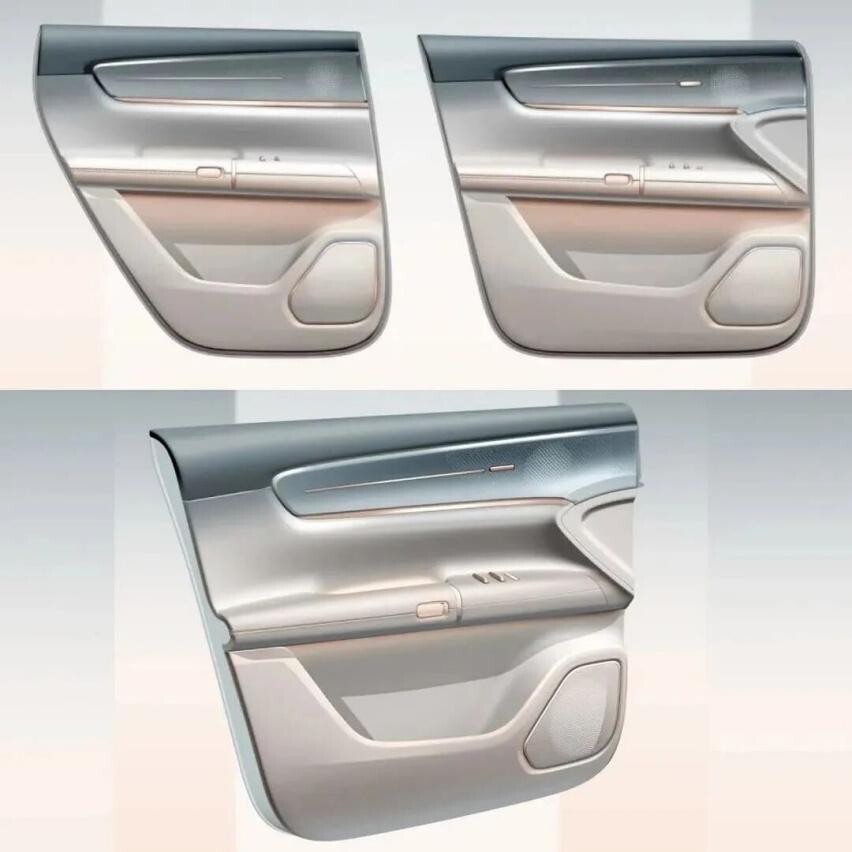
The image is from @AutoHYdesign.
The PressureFilms flexible pressure distribution testing system can transmit data such as pressure values and contact areas from each pressure sensing point in real-time via wireless or wired networks, and calculate the average, maximum, and minimum pressure values across the entire sensor.
This not only makes the pressure profile within sealing gaps visible, measurable, and traceable but also bridges the entire process chain from design validation and production quality inspection to durability monitoring and experimental procedure simplification. It opens a technological window to digitalization, visualization, and intelligentization for sealing component engineering in the automotive industry.
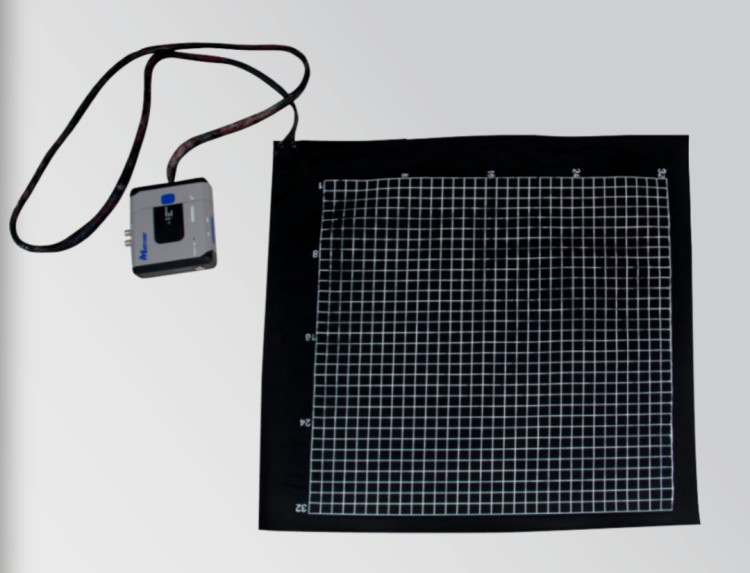
Doors, side panels, door frames, and sealing strips—these components form the physical boundaries of a vehicle's sealing system. However, in the geometric models of these parts, critical data such as the actual pressure distribution, stress rebound, and material conformity rates are often difficult to fully quantify. Designs typically rely on standard templates and empirical adjustments, requiring multiple rounds of prototype testing, feedback, and modifications to gradually refine a relatively satisfactory sealing structure.
The introduction of the PressureFilms flexible pressure distribution testing system has transformed this process of navigating in the dark. From the early design stages, the system can simulate the pressure conditions on sealing contact surfaces, conduct contact tests with actual structural components, precisely quantify the pressure per unit area on each segment of the sealing strip in the closed state, and generate comprehensive pressure distribution maps.
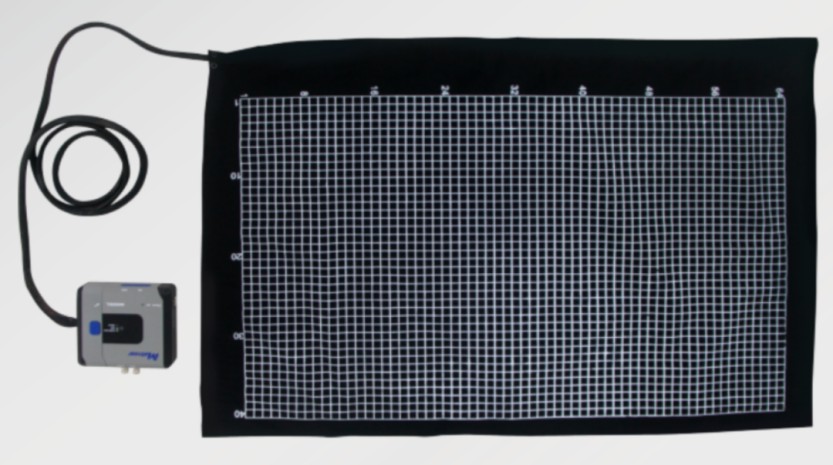
The acquisition of such information first provides technical support for design predictability. This means designers can identify issues such as contact dead zones, localized deformation due to excessive pressure, or insufficient pressure leading to poor sealing—without relying on full-vehicle testing. Consequently, they can directly optimize geometric structures, material selection, or installation methods. Additionally, the PressureFilms pressure distribution testing system offers customizable measurement ranges and dimensions, enabling the detection of pressure fluctuations in extremely small areas. This capability bridges the gap between virtual iterations and physical validation in the design process, truly achieving a visual leap from blueprint design to pressure mapping.
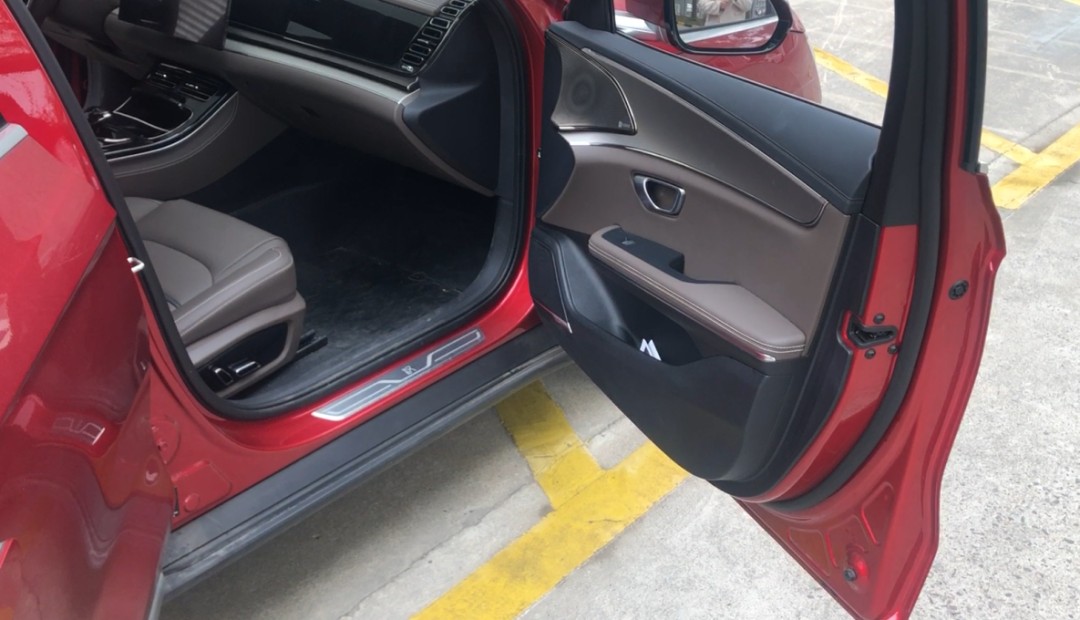
Especially with the widespread adoption of new energy vehicle platforms, lightweight vehicle designs have placed higher demands on sealing strips. The PressureFilms pressure distribution testing system can provide detailed recommendations on pressure conformity differences for sealing strips with varying cross-sections and elastic moduli on frame structures, facilitating faster, more stable, and scientifically grounded design iterations.
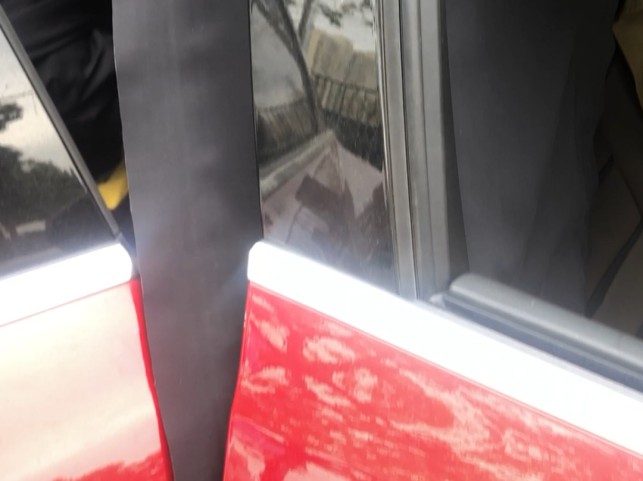
Once sealing strips transition from design to mass production, process quality control becomes critically important for ensuring consistent quality. In reality, even if design parameters perfectly align with prototype vehicles, actual mass production can easily suffer from declines in sealing performance due to factors such as mold wear, installation deviations, and material aging.
Traditional quality inspection methods often rely on static visual checks and functional tests, such as water spray tests, interior sound pressure measurements, and wind tunnel testing. While these methods are undoubtedly important, any issues detected often only emerge at the finished product stage. This not only results in lengthy inspection cycles and high costs but also makes it difficult to precisely identify the root cause of the problem.
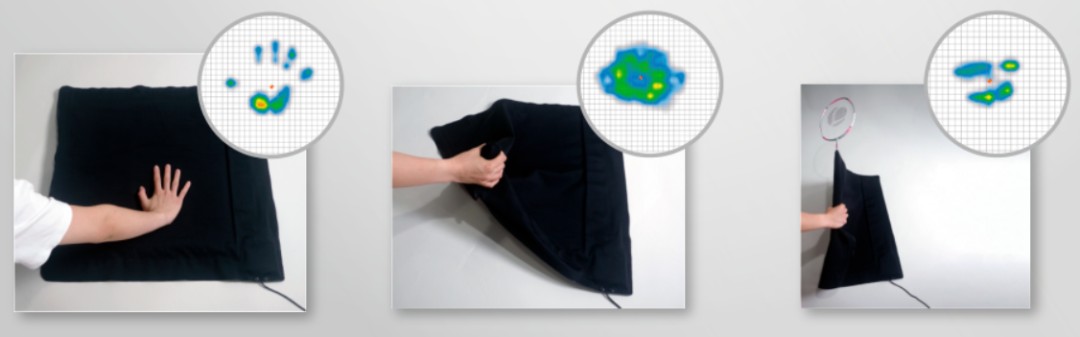
In addition to the preliminary design phase, the PressureFilms flexible pressure distribution testing system can also be adapted to meet the requirements of quality inspection processes In assembly workshops or prototype vehicle testing, simply attach the PressureFilms flexible pressure distribution testing system between the contact surfaces of the door and the vehicle body, close the door, and you can obtain actual pressure distribution data for each section of the sealing strip against the vehicle body
In addition to the preliminary design phase, the PressureFilms flexible pressure distribution testing system can also be adapted to meet the requirements of quality inspection processes In assembly workshops or prototype vehicle testing, simply attach the PressureFilms flexible pressure distribution testing system between the contact surfaces of the door and the vehicle body, close the door, and you can obtain actual pressure distribution data for each section of the sealing strip against the vehicle body .
The system generates 2D/3D pressure cloud maps, marking pressure range intervals Once areas with excessive pressure, pressure leakage, or excessive pressure differentials appear, the system will alert through different colors, greatly improving quality inspection efficiency The PressureFilms system can operate in environments with a temperature range of -30°C to 70°C and a humidity range of 5%RH to 95%RH It can be used to simulate changes in sealing pressure distribution under extreme working conditions such as high humidity and extreme cold during experiments, assisting in data monitoring for accelerated aging tests In automated assembly, PressureFilms can also work with robotic systems for alignment error identification During the sealing strip assembly process, any local pressure unevenness caused by workers' misplacement, clamping deviations, or rubber strip distortion can be accurately identified after closure testing, thereby promptly correcting the robot's path or feeding back assembly results to the collaboration platform for assembly precision optimization.
The realization of this capability not only improves sealing performance but also elevates the flexible control of the assembly process to a new level.
Recent Post
![]() Sep 30, 2026PF invites you to attend ICMMB 2026, the 24th International Conference on Medical and Biological Mechanics (Oct. 6–8).
Sep 30, 2026PF invites you to attend ICMMB 2026, the 24th International Conference on Medical and Biological Mechanics (Oct. 6–8). Jun 18, 2026Focus on Plantar Pressure Distribution | Technical Applications of the Pressurefilms Insole‑Type Flexible Fabric Pressure Distribution System
") May 21, 2026Invitation丨PRESSURE FILMS INTERNATIONAL LIMITED Invites You to the 2nd Vietnam International Electronics Industry & Smart Manufacturing Expo 2026 (VIEE2026)
May 21, 2026Invitation丨PRESSURE FILMS INTERNATIONAL LIMITED Invites You to the 2nd Vietnam International Electronics Industry & Smart Manufacturing Expo 2026 (VIEE2026) May 21, 2026From Vector Sensing to Multi-Dimensional Decision-Making | A Full-Field Application Analysis of PressureFilms High-Precision 3D Force Plates


Contact Us
Derect Contact with us