NEWS CENTER
Our perception of water has always been vague—we can feel its impact and detect its moisture, yet we struggle to quantify the mechanical changes it brings.
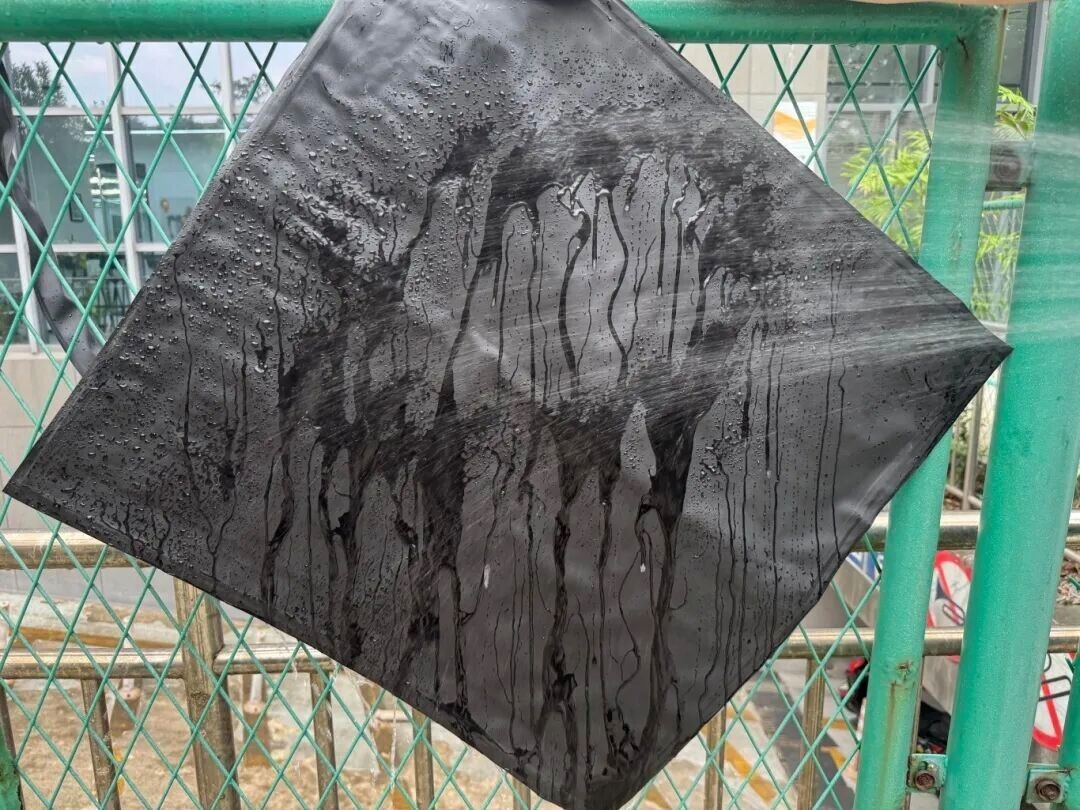
Water in a pool is not merely a contained object; its influence on the pool structure is multifaceted, involving physical, chemical, and structural mechanical interactions that directly affect the pool's safety, durability, and functionality. The pool floor bears the highest static pressure, while the pressure on the pool walls increases from zero at the water surface to its maximum at the bottom. The walls must resist the outward "tipping force" exerted by the water. Additionally, the impact of water waves can generate immense instantaneous pressure—reaching several times the static water pressure—when waves or flowing water strike the walls, often leading to localized spalling or cracks.
Therefore, measuring the pressure distribution of water waves as they冲刷 (wash against) the pool walls is critically important. The PRESSURE FILMS waterproof flexible pressure distribution testing system can measure the pressure distribution on pool walls, dynamically assessing the pressure exerted on both the floor and walls. This directly reveals the impact pressure generated on the wall surfaces at the moment of wave impact.
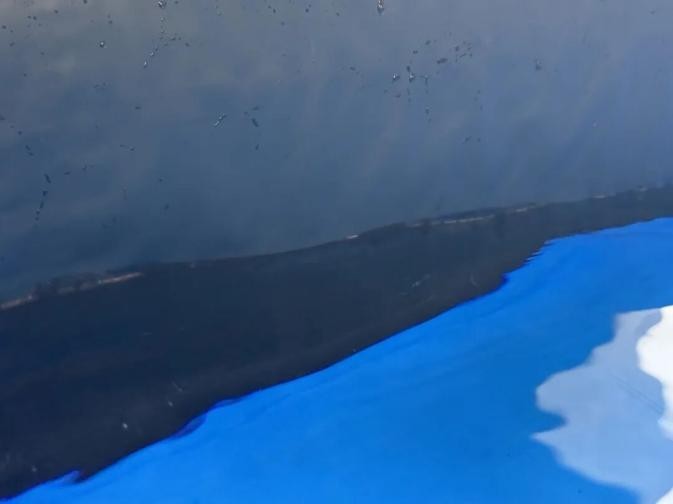
This data is crucial for assessing the structural strength of pool walls and preventing localized damage, such as concrete spalling or cracking. Pressure distribution maps help identify the weakest areas of the structure, enabling targeted reinforcement. Measured data serves as the most reliable basis for validating and refining existing theoretical models of wave load or design specifications.
Designs are often based on simplified assumptions, while actual measurements reveal the complexities of real-world conditions. Pressure distribution data can validate design loads, verify and calibrate numerical and physical models, and predict and evaluate the safety conditions of facilities like pools and dams.
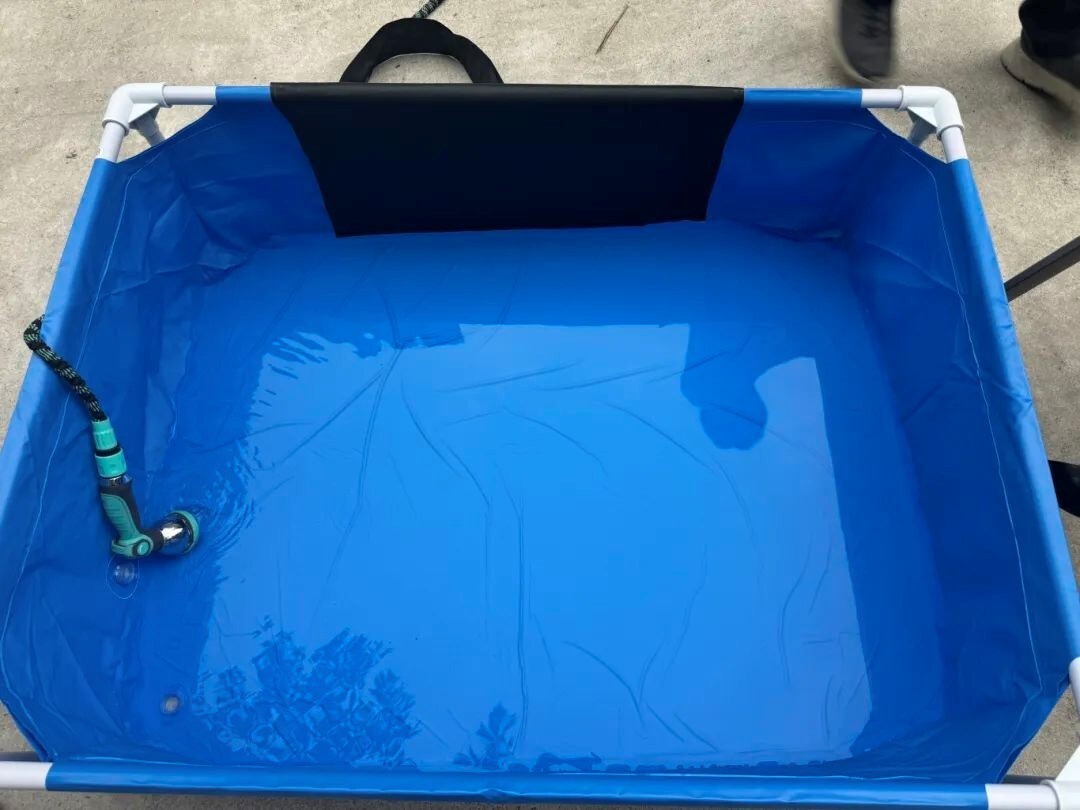
The PRESSURE FILMS underwater pressure distribution system, equipped with embedded high-density flexible sensing units, can detect even the slightest water pressure fluctuations. Whether it's sustained pressure at a single point or rapid transient impacts caused by moving water, all can be accurately recorded. Data is transmitted at high speeds via wired or wireless networks to backend systems for real-time imaging, analysis, and comparison.
The PRESSURE FILMS system not only measures pressure values at each point but also provides comprehensive metrics such as average pressure, maximum/minimum pressure, contact area, and center of pressure trajectory. This offers critical data support for scientific research and engineering optimization.
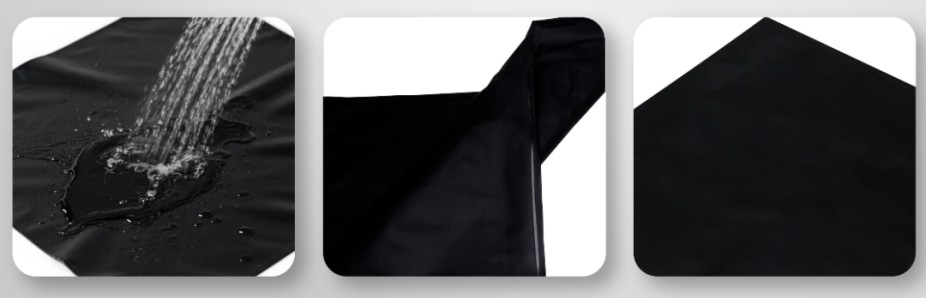
Traditional hydraulic engineering designs often rely on simulation calculations, making it difficult to measure the actual distribution of impact forces in real-world scenarios. By embedding the PRESSURE FILMS system into the bottom and sidewall structures of physical scaled models of spillways, we can obtain comprehensive pressure distribution maps of water flow impacts over time. This enables us to identify erosion risk distribution and predict the wear life of concrete structures. It even allows for simulating spillway processes under extreme weather conditions, using pressure data to identify structural weaknesses in advance and guide emergency management strategies.
In the context of port and wharf structures, underwater piles or transverse breakwaters often face complex and unpredictable tidal currents and ship-induced flows. The pressure exerted by these irregular fluid dynamics is challenging to anticipate. The PRESSURE FILMS system can be deployed on the outer layers of such structures, continuously collecting pressure distribution data under fluid disturbances without damaging the structural integrity. This supports the simulation and analysis of wave impacts on structural safety and longevity. For ports frequently accommodating large vessels, this capability is particularly critical, as the transient strong currents generated during ship entry and docking are often the primary cause of structural fatigue.
In the field of product design and user experience, taking smart bathroom products as an example, whether a high-end smart toilet seat can provide the most comfortable sitting experience depends not just on soft materials or heating functions, but on the rationality of pressure distribution at human-body contact points.
By integrating the PRESSURE FILMS underwater pressure distribution sensing system into product prototypes, the system can capture complete pressure maps of contact areas the moment users with different body types, weights, and sitting postures sit down. This helps identify issues such as localized excessive pressure or insufficient support, thereby guiding designers to optimize surface curvature, filler distribution, and hardness configuration.
The same logic applies to infant seats, elderly care beds, and physiotherapy massage devices. Only by understanding where pressure is distributed can we truly address comfort and safety. To achieve this, it is essential to rely on flexible sensing systems like PRESSURE FILMS, which offer high resolution, short response times, waterproof capabilities, and bendable properties.
- **Real-time Pressure Matrix Monitoring**: Supports dynamic data refresh and recording for all sensing units.
- **High-Precision Data Display**: Real-time pressure value updates with readings accurate to four decimal places.
- **Multi-Unit Data Output**: Exports data in TXT/CSV formats, with unit conversion covering international standards such as kg/cm², kPa, and PSI.
- **Intelligent Zone Analysis**: Allows custom partitioning and automatically calculates average pressure, max/min pressure, and contact area for each zone per frame.
- **Dynamic Sensing Unit Statistics**: Displays the number of active sensing units and their pressure values in real time, aiding in pressure distribution uniformity analysis.
- **2D/3D Pressure Cloud Maps**: Uses a blue-green-yellow-red color spectrum to visualize pressure gradients, with support for overlaying 2D maps and pressure values.
- **Test Process Recording**: Captures complete test data and supports timeline playback for tracing key pressure change events.
- **Pressure-Time Curves**: Automatically generates dynamic load curves and enables multi-channel data comparison.
- **Cross-Platform Compatibility**: Compatible with Windows 8/10/11 and Android systems, meeting diverse usage scenarios.
- **Flexible Licensing**: Supports installation on multiple computers without hardware dongles or account binding restrictions.
- **Lifetime Upgrade Service**: Provides continuous software optimization and feature updates to ensure technological advancement.
- **High-Performance Processing**: Supports simultaneous data acquisition and analysis from multiple sensors, meeting industrial-grade application requirements.
Recent Post
![]() Sep 30, 2026PF invites you to attend ICMMB 2026, the 24th International Conference on Medical and Biological Mechanics (Oct. 6–8).
Sep 30, 2026PF invites you to attend ICMMB 2026, the 24th International Conference on Medical and Biological Mechanics (Oct. 6–8). Jun 18, 2026Focus on Plantar Pressure Distribution | Technical Applications of the Pressurefilms Insole‑Type Flexible Fabric Pressure Distribution System
") May 21, 2026Invitation丨PRESSURE FILMS INTERNATIONAL LIMITED Invites You to the 2nd Vietnam International Electronics Industry & Smart Manufacturing Expo 2026 (VIEE2026)
May 21, 2026Invitation丨PRESSURE FILMS INTERNATIONAL LIMITED Invites You to the 2nd Vietnam International Electronics Industry & Smart Manufacturing Expo 2026 (VIEE2026) May 21, 2026From Vector Sensing to Multi-Dimensional Decision-Making | A Full-Field Application Analysis of PressureFilms High-Precision 3D Force Plates

Contact Us
Derect Contact with us